Trekking around Lalibela

day1, start to hike in the morning to wedebiye. overnight at wedebiye in the local house. will visit in the first day hike different vegetation which are common on the highland area and childa Babunes. (6 or 7 hours taff treek).

day2, will continue the hike to Mount Abune Yosef which is the 3rd highest mountain in Ethiopia (ranges 4280 m above sea level). Will visit the vegetation, birds which are common in the mountain, childa baboons, red fox and the 360 degree view from the roof of the mountain. overnight at Tigu kebele in the local house (8 hours trek).

day3, proceed the hike to Yimirehane kirstos church and will visit the church and overnight at local house (7 or 8 hours trek).

day4, back to lalibela and on the way will experience some local

activities with local people (7:30 hours trek).


Lalibela and Surrounding Churches

Day 1 - pick from the airport of lalibela and drive to hotel on the way enjoy the mountains and valley landscapes then check in hotel. in the afternoon start to visit the first group of churches of lalibela.

Day 2 - in the morning drive to visit a church outside lalibela, it can be Yimirehnae kiristos or Nekotoleab. or it is possible to go to Asheton by mule or hike, then back to hotel for lunch. in the afternoon will visit the second group and St. George churchs of lalibela.

Gallery

1
2
3
4
5
6
7
8
9
10
11
12
13
 14
 15
 16
 17
 18

Lalibela


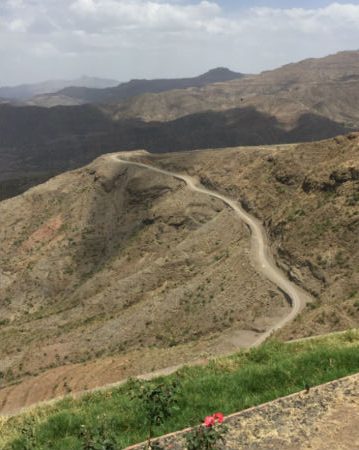
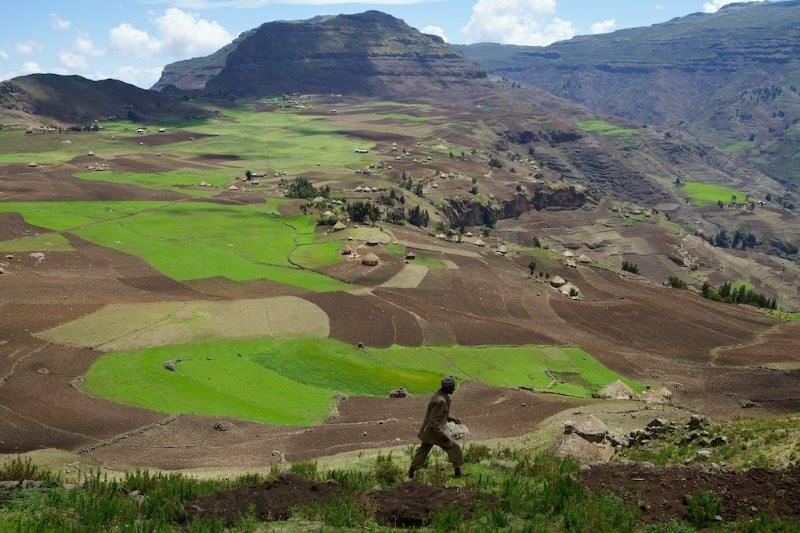
Lalibela is surrounded by a very escarpment landscape with great scenery and beautiful villages. In Ethiopia there are 25 mountain peaks, rising to an altitude of more than 4000 meters, allowing the country to earn the nickname of the roof of Africa and ensuring spectacular sensory for the visitor.

Ethiopia is a varied and diverse country; at its core, an age ­old culture of farmers who have been plowing their fields with ox­-drawn plows for a few thousand years. Their life is intrinsically linked to the agricultural seasons and the ancient Ethiopian Orthodox calendar with its saints’ days and festivals punctuating their life.

Local communities near Lalibela invite you to accept their hospitality during your trek through their age ­old lands. Set in the dramatic landscape of the highlands of northern Ethiopia, with
basalt cliffs, Gelada baboon and birds of prey soaring on the thermals, your visit in Lasta mountains around Lalibela will be the highlight of your trip to Ethiopia. Visit our services page to see different options of exploring this unique area.

Mount Abune Yosef (4300m)

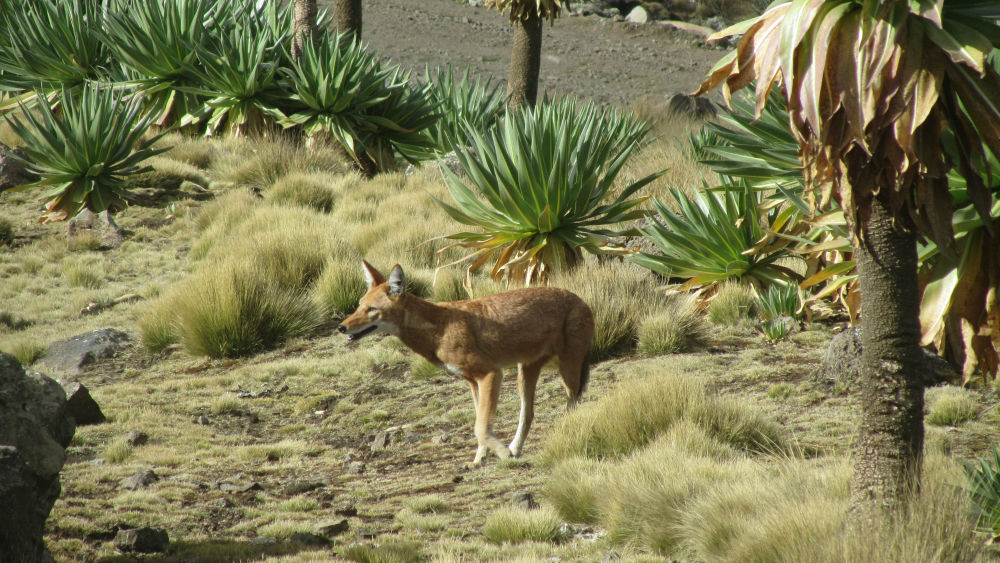
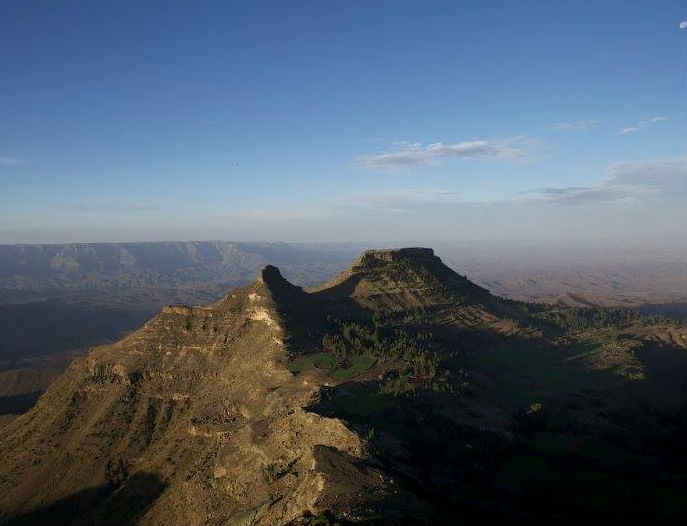
The third highest peak in Ethiopia, Abune Yosef Massif offers visitors stunning views and wildlife viewing opportunities. During the treks and around Abune Yosef, visitors can see an impressive array of flora and faunaincluding giant Lobelia, troops of Gelada baboons, and the rare Ethiopian wolf.

Located north of Lalibela, the Afromontane environment offers a perfect complement to the cultural and historical experience of the Lalibela rock hewn churches. Treks in Abune Yosef bring visitors to over 4,300 meters and are not for the faint of heart. However, those that make the climb find the views and experience well worth it. Visit our itinerary page to arrange how many days to spend at mount Abune Yosef.

Flora

While many of the high plains has been converted into farmland over the past 50 years the slopes of the mountain ranges are still covered by natural forest, changing composition with altitude, the unique Afromontane vegetation formations are the main attraction of the area.

The Abune Yose area is made up of diverse vegetation types included bush land, woodlands, mountain dry forests, and afroalpine grassland.

Flora

While many of the high plains has been converted into farmland over the past 50 years the slopes of the mountain ranges are still covered by natural forest, changing composition with altitude, the unique Afromontane vegetation formations are the main attraction of the area.

The Abune Yose area is made up of diverse vegetation types included bush land, woodlands, mountain dry forests, and afroalpine grassland.

Flora

While many of the high plains has been converted into farmland over the past 50 years the slopes of the mountain ranges are still covered by natural forest, changing composition with altitude, the unique Afromontane vegetation formations are the main attraction of the area.

The Abune Yose area is made up of diverse vegetation types included bush land, woodlands, mountain dry forests, and afroalpine grassland.

Fuana

Mammals: There are 43 known species of mammals on the Abune Yosef Massif. Of the 32 species of Abyssinian endemic mammals (endemic to Ethiopia and Eritrea) seven can be found in Abune Yosef. The most spectacular of these are the Ethiopian wolf and the Gelada baboon. Other species to look out for include the Golden Jackal, Hyena, Caracal, Leopard, Rock Hyrax, Duiker, Klipspringer and Starck Hare.

Birds: Of the 860 species of birds found in Ethiopia, over 220 have been identified on the Abune Yosef Massif. The Abune Yosef area is one of the most important bird areas in the country. The Abune Yosef mountains also attract a few pairs of Golden Eagles.

Churches

Sightseeing ­Churches in Lalibela

"The ultimate in rock church design.... One is amazed at the technical skill, the material resources and the continuity of effort which such vast undertakings imply...I swear by God, in whose power I am, that all that is written is the truth, and there is much more than I have already written, and I have left it that they may not tax me with its being falsehood."
This is the conclusion made by the first European to visit Lalibela, ­Francisco Alvarez.


Lalibela’s churches are divided into two clusters, separated by the Jordan River- one local legend has it that the river was given this name after king Lalibela returned from Jerusalem.
The northern cluster comprises six churches: Bet Medhane Alem, Bet Mariam, Bet Meskel, Bet Danaghel, Bet Michael, Bet Gologota and the Selassie chapel.
The southern cluster consists of four churches: Bet Emanuel, Bet Mercurios, Bet Aba Libanos, Bet Lehem and Bet Gebriel Rafael.
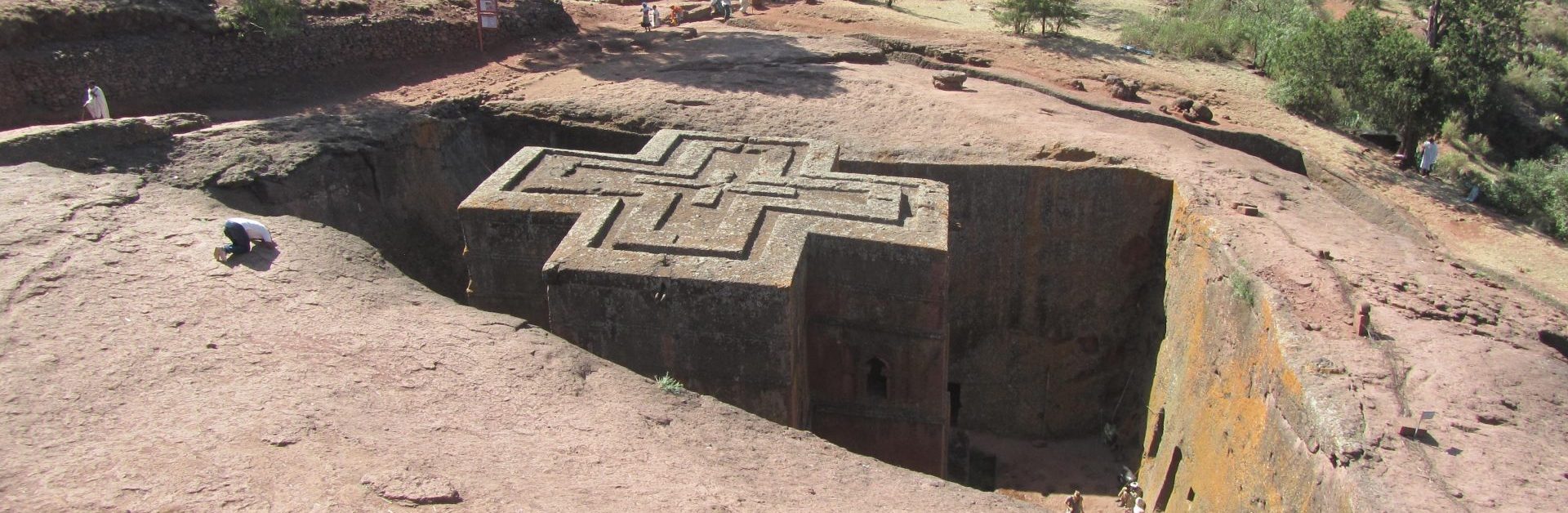
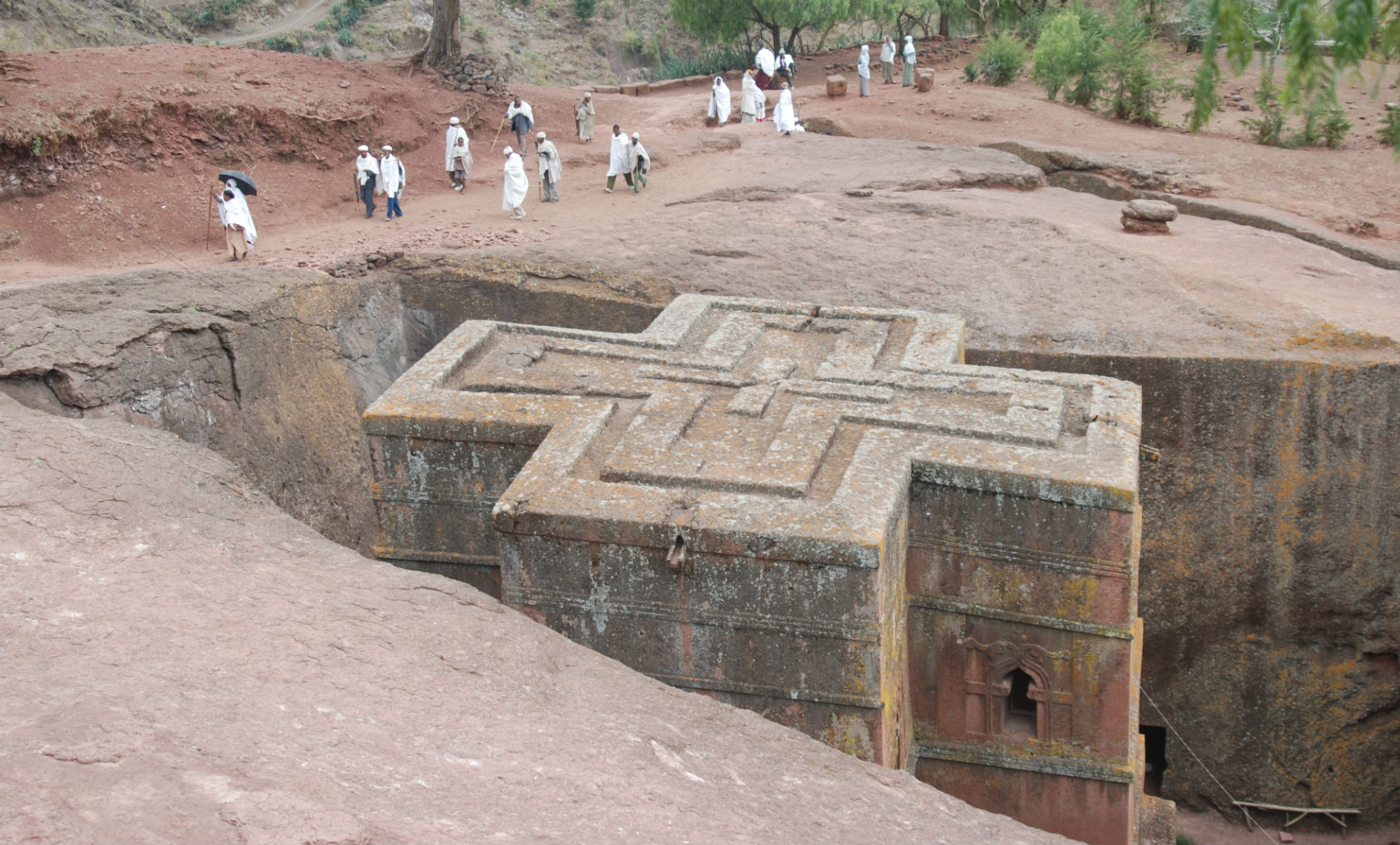
The eleventh church, Bet Giorgis stands discret from the two main clusters.


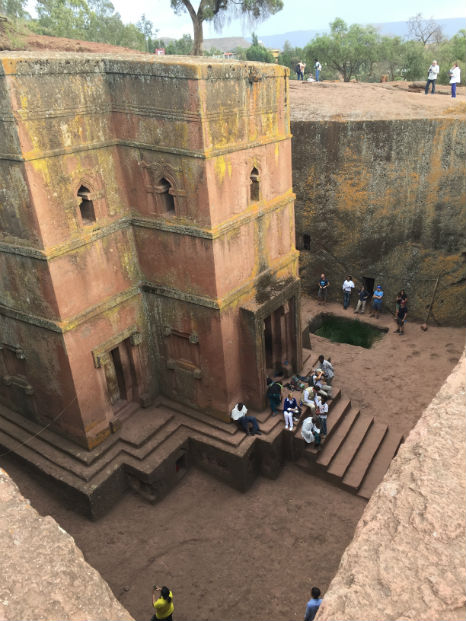
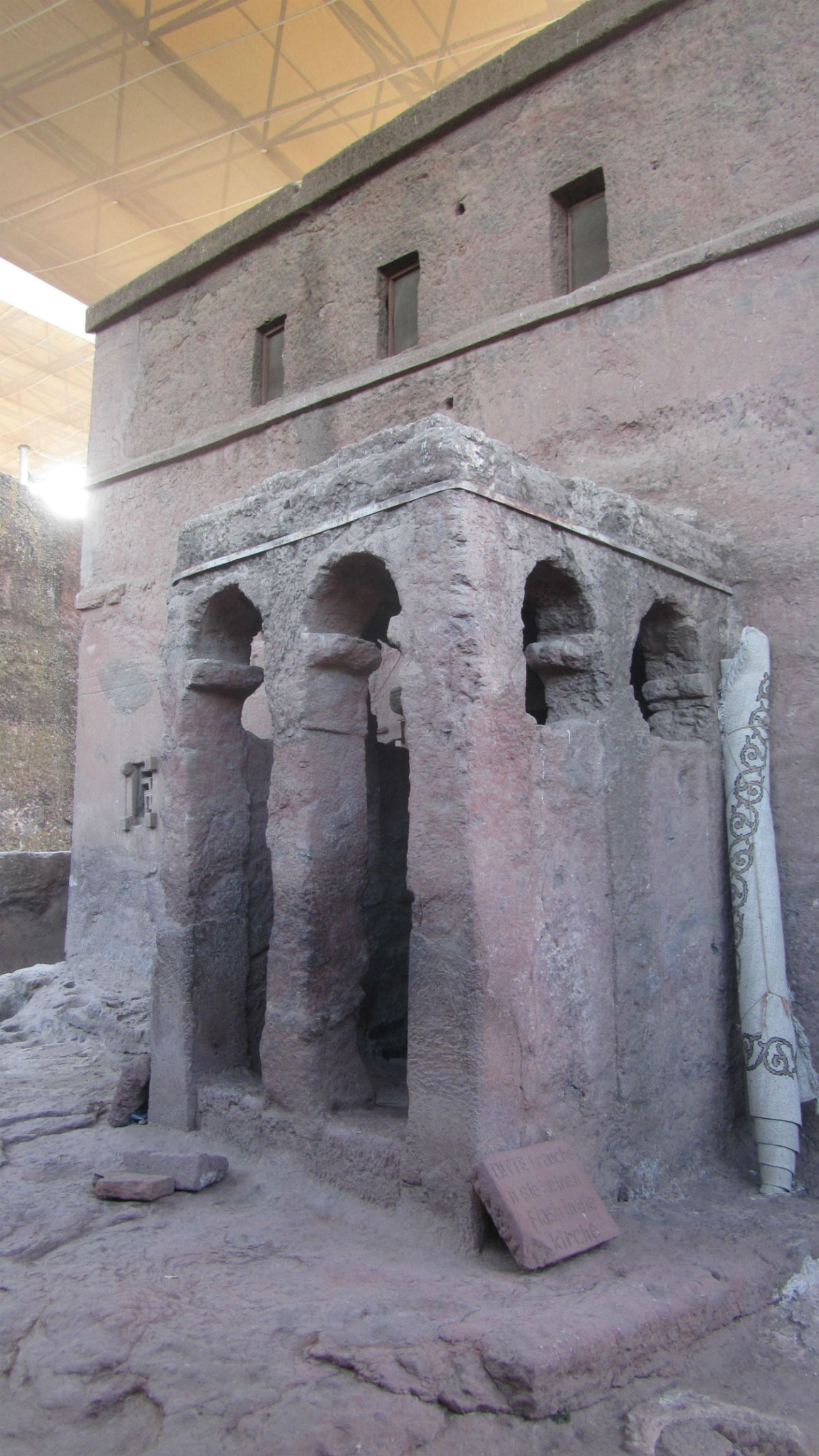
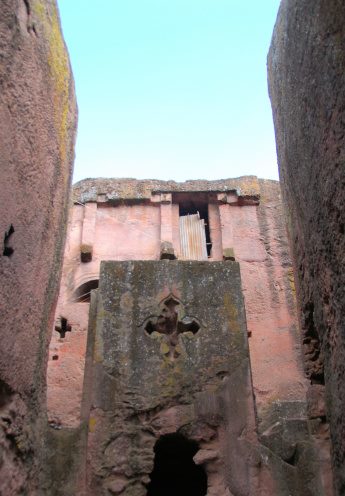
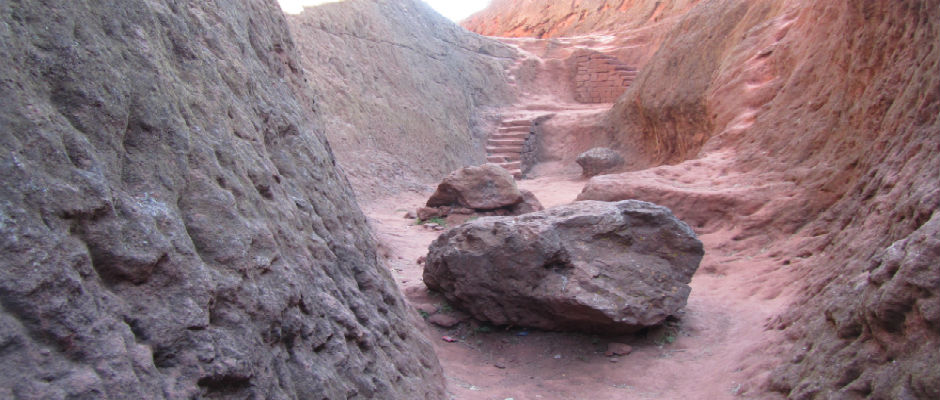
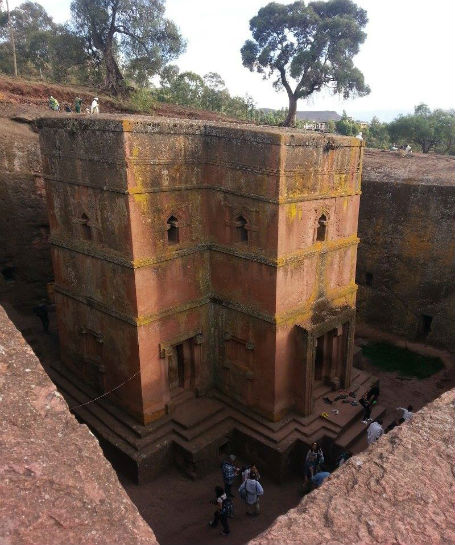
The various churches of Lalibela were constructed using one of two different methods. Bet Giorgis and the churches in the northwest cluster are mostly excavated from below the ground, and are surrounded by courtyards and trenches, so that they mimic normal buildings. Several of these churches are monoliths or three ­quarter monoliths- free from the surrounding rock on three or four sides, it is a style of excavation that is unique to Ethiopia.

The churches of the southwest cluster are similar to many churches in Tigray, in that most of them were excavated from a vertical rock face by exploiting existing caves or cracks in the rock. The style is remarkably similar to the numerous rock hewn churches of Tigray, but the sheer masterpiece in craftsmanship is quite wonderful. These churches were so perfect that they were considered by some as ‘The Eighth Wonder of the World’, and became one of UNESCO’s world heritage sites.

Lalibela is still revered as a saint by Ethiopian Orthodox Christians. His tomb and the city itself draw thousands of pilgrims every year.

The various churches of Lalibela were constructed using one of two different methods. Bet Giorgis and the churches in the northwest cluster are mostly excavated from below the ground, and are surrounded by courtyards and trenches, so that they mimic normal buildings. Several of these churches are monoliths or three ­quarter monoliths- free from the surrounding rock on three or four sides, it is a style of excavation that is unique to Ethiopia.

The churches of the southwest cluster are similar to many churches in Tigray, in that most of them were excavated from a vertical rock face by exploiting existing caves or cracks in the rock. The style is remarkably similar to the numerous rock hewn churches of Tigray, but the sheer masterpiece in craftsmanship is quite wonderful. These churches were so perfect that they were considered by some as ‘The Eighth Wonder of the World’, and became one of UNESCO’s world heritage sites.

Lalibela is still revered as a saint by Ethiopian Orthodox Christians. His tomb and the city itself draw thousands of pilgrims every year.

Monastery and churches outside of Lalibela

The mountains around Lalibela are studded with medieval monasteries and churches, many of which are very different to their Lalibela counterparts.

Nakuta La’ab is traditionally very popular with backpackers, since it can be reached on foot without a guide, while the mule ride to Asheton Maryam and Yemerhan Kerstose also form a Straightforward day trip out of Lalibela.


Asheton Mariam

Asheteon Mariam lies at an altitude of almost 4,000m on the high mountain overlookinע Lalibela. This monastery is also associated with king Nakuta La’ab who most probably founded it and who may even be buried in the chapel. The church is carved out of a cliff face, and the execution is rougher than at most other churches in and around Lalibela. Asheton Maryam houses some interesting crosses and other church treasures, but the excursion is just as remarkable for the church’s setting and the views on the way up.


Nakuta La’ab Monastery

The monastery of Nakuta La’ab named after its constructor, the nephew and successor of king Lalibela. One tradition has it that Nakuta La’ab ruled from this church, which he called Qoqhena, during an 18­ month break in Lalibela’s monarchy, another that he took refuge here after he was deposed. The church is built around a shallow cave in which several holy pools are fed by natural springs and it has many treasure, some of which are claimed to have belonged to Nakuta La’ab himself. This includes paintings, crosses and an illuminated leather Bible. One advantage over the churches in town is that the treasures are brought out
into the open where they can be examined in decent light.

Yemereane Kerstose

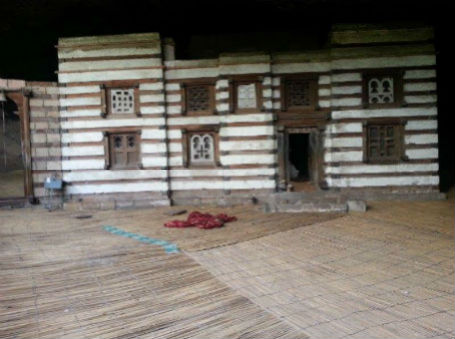
The church was built by its namesake, Yemerehanna Kirstos, the third Zagwe ruler and a predecessor of King Lalibela, recorded as ascending to the throne in AD 1087 and ruling for about 40 years. The church is situated at an altitude of around 2,700 m and protected by an unflattering modern outer wall. It’s an old built­up church within alternating layers of wood and whitewashed marble that give it the appearance of a gigantic layered chocolate cream cake. Among many interesting architectural features are the cruciform curved windows, an etched
wood paneled roof, a coffer ceiling with inlaid hexagons, and a large dome over the sanctuary.

Holidays and Festivals

Meskel

Date: September 27

Meskel (Finding of the True Cross), is the celebration of the finding of remnants of the actual cross on which Jesus was crucified. Theword "meskel" means "cross" in Amharic. According to Christian tradition, St. Eleni (Empress Helena) discovered the hiding place of three crosses used at the crucifixion of Jesus. In her dream, Eleni was told she should make a bonfire; the direction of the smoke would tell her the exact location of the True Cross on which Jesus was crucified. She followed the directions from her dream, and the smoke landed exactly where the cross was buried.

Meskel celebrations begin the night before with large bonfires topped with a cross and decorated with meskel flowers. The bonfire preparations are blessed and burned while revelers sing and dance around the fire, locally called demera. It is believed that the direction of the smoke will predict the future for the year to come. After the demera has burnt out, the faithful mark crosses on their foreheads with the ash.

The biggest Meskel celebration is in Addis Ababa, held in the centrally­ located Meskel Square. Lalibela is also a good location to celebrate this festival. Probably the most exuberant celebrations take place in the region of the Gurage people, southwest from Addis.

Enkutatash

Date: September 11 (September 12 in 2019)

Enkutatash, which means “Gift of Jewels” is the celebration of the Ethiopian New Year. Ethiopia follows the Julian calendar, which consists of 13 months- 12 months each with 30 days and a final month with 5 days (6 days in leap year). The Julian calendar is 7 years and 8 months behind the Gregorian calendar, which is used throughout most of the Western world. In 2007 (Gregorian calendar), Ethiopia rang in the year 2000 and the new Ethiopian Millennium with colorful celebrations throughout the country.

Enkutatash happens to come near the end of a long rainy season, coloring the green landscapes with bright yellow flowers (called the Meskel Flower, or adei abeba in Amharic) and giving great reason to celebrate the new harvest.

Torches of dry wood are burned in front of houses on New Year’s Eve. On New Year’s Day, girls dressed in new clothes go from door ­to ­door singing songs. Families and friends celebrate together with large feasts. This day also happens to coincide with the saint’s day of St. John the Baptist.

This religious ceremony can be seen at the Kostete Yohannes church in the village of Gaynt, where celebrations are carried out for three days. Just outside of Addis Ababa, on the Entoto Mountain, Raguel Church has the largest religious celebration in the country.

Genna (Ethiopian Christmas)

Date: January 7

Genna is Ethiopian Christmas, and coincides with other Orthodox Christmas celebrations around the world. The feast marks the end of the 40 days fasting period of Advent. On Christmas Eve, the faithful participate in church services through the night before celebrating with family and friends on Christmas day.

Lalibela is the most popular place to celebrate Genna, as thousands of pilgrims flock to the holy city for this celebration.


Timkat (Epiphany)

Dates: January 19 (or 20 on Leap Year)

The Ethiopian celebration of Timket (also known as Epiphany), is a symbolic reenactment of the baptism of Jesus in the River Jordan by John the Baptist. For Ethiopian Orthodox Christians, it serves as a renewal of their baptismal vows.

Timket is a two-day festival, starting the day before, when the church tabot (replica of the Ark of the Covenant) is taken from the church to a nearby location, usually near a body of water. This is representative of Jesus coming to the River Jordan. The tabot spends the night in this location while the priests and other faithful hold a vigil through the night. In the morning the water is blessed and is then sprinkled on the gatherers (or they may chose to bathe in the water), renewing their baptismal vows. Long parades then carry the tabot back home to the church while the revelers sing and dance.

Lalibela is a popular place for the Epiphany festivities.

Fasika (Orthodox Easter)

Dates: Apr 16, 2017; Apr 8, 2018; Apr 28, 2019; Apr 19, 2020;

Fasika is Ethiopian Easter and is celebrated in conjunction with Orthodox Easter celebrations around the world. Fasika is the most important holiday in the Ethiopian Orthodox calendar and follows a long 55­ day fast, where no meat or dairy products are consumed. Strict followers generally consume one meal of vegetables and lentils during this time.

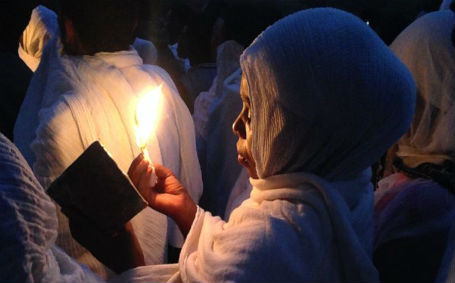
Church services are attended on the eve before the holiday, where revelers participate in a colorful service lit with candles. The following day, families and friends celebrate Fasika with special feasts that mar the end of the long fast. Doro wat, a spicy chicken stew, is the most traditional food served in all households. Celebrations continue for the following week, with an unofficial "second Fasika" the following weekend.

Lalibela has a colorful procession for Palm Sunday (known as Hosanna ), the week before Fasika which is well worth a visit. Like most holidays, the celebration takes place the night before the actual holiday (Saturday night).

1Itinerary

2 DAYS TREKKING
After early Breakfast trek to Wedebye (3600m altitude) 6 hours, which gives you more outstanding panoramic 360 degree views over the surrounding countryside. On the way take a break for snack at Hudad (3300m), here we can see swarm Group of Gelada baboons and other mammals. After having your lunch and short break You can walk to one of the villages close to the Wedebye and learn about the life of the local people including farming practices, cattle rearing and local traditions, or walk to the children’s school to teach any subject you would like to teach. Spend the remainder of the afternoon enjoying the silence of Wedebye and overlooking the sunset. At night the local family will show you a lovely traditional dance.


Accommodation: Homestay at Wedebye
After breakfast a half day trek to Dif Afaf where you can see a spectacular view and a very interesting village. After lunch, return back to Lalibela in another direction, visit one of less visited ancient rock Hewn churches, called Kenkenit Mikale, and village visit at Bete Amebasa, where you can visit coffee and vegetables farms, blacksmiths, and handcrafting, walk one hour more to reach Lalibela.


Accommodation: your choice of Hotel in Lalibela
3 DAYS TREKKING
After early Breakfast trek to Wedebye (3600m altitude) 6 hours, which gives you more outstanding panoramic 360 degree views over the surrounding countryside. On the way take a break for snack at Hudad (3300m), here we can see swarm Group of Gelada baboons and other mammals. After having your lunch and short break You can walk to one of the villages close to the Wedebye and learn about the life of the local people including farming practices, cattle rearing and local traditions, or walk to the children’s school to teach any subject you would like to teach. Spend the remainder of the afternoon enjoying the silence of Wedebye and overlooking the sunset. At night the local family will show you a lovely traditional dance.


Accommodation: Homestay at Wedebye
Trek to Tigu Keble (5 hours), Pass through different villages and learn about local crops on different plateaus as you climb up, specular view till you reach Tigu Keble. Afternoon: trek to the 3rd Highest peak
in Ethiopia- Mountain Abune Yosef (4300m) to see amazing view and to visit different fauna and flora, visit swarm of Ghelada baboons, red fox, plenty of Birds and lots of Fauna and flora of the area, as usual you
will have campfire under the star and moon and enjoy the local traditional dance and music you will be invited to dance our unique Ethiopian traditional dance.


Accommodation: Homestay at Tigu Keble


You have two options:


option 1: Trek to Yemrehane Kirstos church (7 hours) which predates the Lalibela churches and was built using a completely different style of construction involving marble and wood. The church is built inside a cave. Pass through different villages and learn about local crops on different plateaus, specular view till you reach the church. Drive back to lalibela.


Option 2: return to lalibela 7 hour, with the same way you came on.


Accommodation: your choice of Hotel in Lalibela
4 DAYS TREKKING AROUND LALIBELA
After early Breakfast trek to Wedebye (3600m altitude) 6 hours, which gives you more outstanding panoramic 360 degree views over the surrounding countryside. On the way take a break for snack at Hudad (3300m), here we can see swarm Group of Gelada baboons and other mammals. After having your lunch and short break You can walk to one of the villages close to the Wedebye and learn about the life of the local people including farming practices, cattle rearing and local traditions, or walk to the children’s school to teach any subject you would like to teach. Spend the remainder of the afternoon enjoying the silence of Wedebye and overlooking the sunset. At night the local family will show you a lovely traditional dance.


Accommodation: Homestay at Wedebye
after Breakfast, Trek to Tigu Keble (7 hours), Pass through different villages and learn about local crops on different plateaus as you climb up, specular view till your reach Tigu Keble. after having your lunch trek to the 3rd Highest peak in Ethiopia- Mount Abune Yosef (4300m) you will enjoy the spectacular view of mount Abune Yosef and different fauna and flora, visit swarm of Ghelada baboons, red fox, plenty of Birds and lots of Fauna and flora of the area… you will spend most of your day inside Abune Yosef and climb till the last
point of Abune Yosef, rim Gedel (4300m) late in the afternoon you will return back to Tigu Keble for overnight.


Accommodation: Tigu Keble Homestay
Trek to Yemrehane Kirstos (7 hours), after lunch visit the marble churches called Yimrhannekirstos, which predates the Lalibela churches and was built using a completely different style of construction involving
marble and wood. The church is built inside a cave. Pass through different villages and learn about local crops on different plateaus, specular view till your reach the church. At night there will be campfire and have your dinner under stars and moon. As it is your last day, after diner a group of local youngster will show you the typical traditional dance of the area, also they will invite you to dance. It will be the most entertaining night of the whole trek.


Accommodation: yirhanne Kirstos Homestay or Community Lodge
after breakfast we will return back to Lalibela (8 hours). On the way visit the ancient rock hewn churches called Kenkenit Mikale. Have picnic lunch at bet Ambesa, where we will stop to visit coffee and vegetable
farms. Bête ambesa is located in the valley north east of Lalibela, it is one of the greener parts around lalibela. After having the picnic in bête ambesa you will trek back to Lalibela. At night there will be campfire and have your dinner under stars and moon. As it is your last day After diner a group of local youngster will show you the typical traditional dance of the area.


Accommodation: your choice of Hotel in Lalibela
4 DAYS HISTORICAL ROUTE OF LALIBELA
Depart on a morning flight to Lalibela, the most famous of all of the Ethiopian historical sites. After lunch, start your tour of the rock-hewn churches of Lalibela, visiting the Northwestern Cluster of churches- Bet Medhane Alem, Bet Maryam, Bet Meskel, Bet Danaghel, Bet Mikael & Bet Golgotha (entry not permitted for women).
Overnight in Lalibela (hotel).
In the morning, take a trip to visit the church of Yimrehanne Kristos. The most popular of the churches outside of Lalibela, this church is built with layers of wood and granite, set in the entrance to a large cavern. After the visit, return to Lalibela for lunch and, in the afternoon, visit the Southeastern Cluster of churches – Bet Gabriel-Rufael, Bet Merkorios, Bet Amanual, and Bet Abba Libanos. Finally, you will visit the most
famous of all the churches – Bet Giyorgis, constructed in honor of the patron saint of Ethiopia – Saint George.
Overnight in Lalibela (hotel).
In the morning, visit the nearby monastery of Asheten Maryam situated at 3150m. The church treasures parchment old books, icons and crosses. It is believed that it is the first work of King Lalibela. Standing there you have commanding views in all directions and a stunning mountain scenery. It is a 2 hours climb from Lalibela, which is also possible to do by vehicle, walking and mule. Asheten Maryam is carved out of a cleft into a cliff face. The last king of the Zagwe dynasty is said to be buried here.
After lunch In the afternoon drive to the nearby monastery church of Na’akuto La’ab, set on the side of a cliff.
Overnight in Lalibela (hotel).
Depart on a morning flight to Bahir Dar, Gonder, Axum or proceed to the airport for the return flight back to Addis Ababa.
5 DAYS TREKKING
After early Breakfast, trek to Wedebye (3600m altitude) which gives you more outstanding panoramic 360 degree views over the surrounding countryside (7 hours). You can walk to one of the villages close to the Wedebye and learn about the life of the local people including farming practices, cattle rearing and local traditions. Spend the remainder of the afternoon enjoying the silence of Wedebye. At night the family will entertain you with their unique traditional dance.

Accommodation: Wedebye private homestay


Trek to Tigu Keble (7 hours), Pass through different villages and learn about local crops on different plateaus as you climb up, specular view till you reach Tigu Keble, where you will stay overnight. In the afternoon you will take a rest to prepare yourself for the next day trek to the 3 rd highest peak of Ethiopia. Depending on your interest, you can walk around the village to see locals life and to learn about how to make traditional food or farm or you can walk to the nearest viewpoint to enjoy the view (you can also visit local school to teach any kind of your favourite subject).
Accommodation: Tigu Keble private homestay


After having breakfast with picnic, trek to the 3rd highest peak in Ethiopia. Today you will spend most of your day at Abune Yosef (4300m), you will enjoy the spectacular view of mount Abune Yosef and different fauna and flora, visit swarm of Ghelada baboons, red fox, plenty of Birds and lots of Fauna and flora of the area. With picnic you will spend most of your day inside Abune Yosef and climb till the last point of Mount Abune Yosef- rim Gedel (4300m). Late in the afternoon you will return back to Tigu Keble trough viewpoints
small and big Zigits.
Accommodation: private homestay at Tigu keble


Trek to Yemrehane Kirstos (7 hours), after lunch visit the marble churches called Yimrhanne kirstos, which predates the Lalibela churches and was built using a completely different style of construction involving
marble and wood. The church is built inside a cave. Pass through different villages and learn about local crops on different plateaus, spectacular view till your reach the marble church. After lunch and having Ethiopian coffee, take a wonder at Yimrhanne Kirstos. After you visit the church, walk around the forest to
see some of lovely Ethiopian birds including few endemic Birds.
Accommodation: Community Lodge at Yimrhanne Kirsos or homestay.
After breakfast will return back to Lalibela (8 hours), on the way visit the ancient rock hewn churches called Kenkenit Mikale. Have picnic lunch at bet Ambesa ,where we will stop to visit coffee and vegetable farms. Bête ambesa is located in the valley north east of Lalibela, bête Amebesa (in English- House of Lion) is located at a very Green valley. After having the picnic at bête Ambesa you will trek more one hour to reach Lalibela.

Accommodation at: your choice of Hotel in Lalibela


Services

Trekking

Trekking in Lalibela starts from Lalibela town until mount Abune Yosef. on the way you will see many kinds of animals such as baboons, red foxes, leopards, different kinds of birds and more.
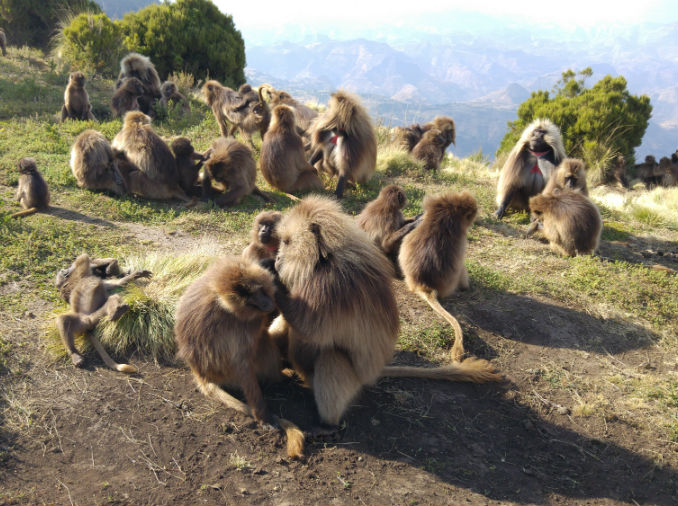
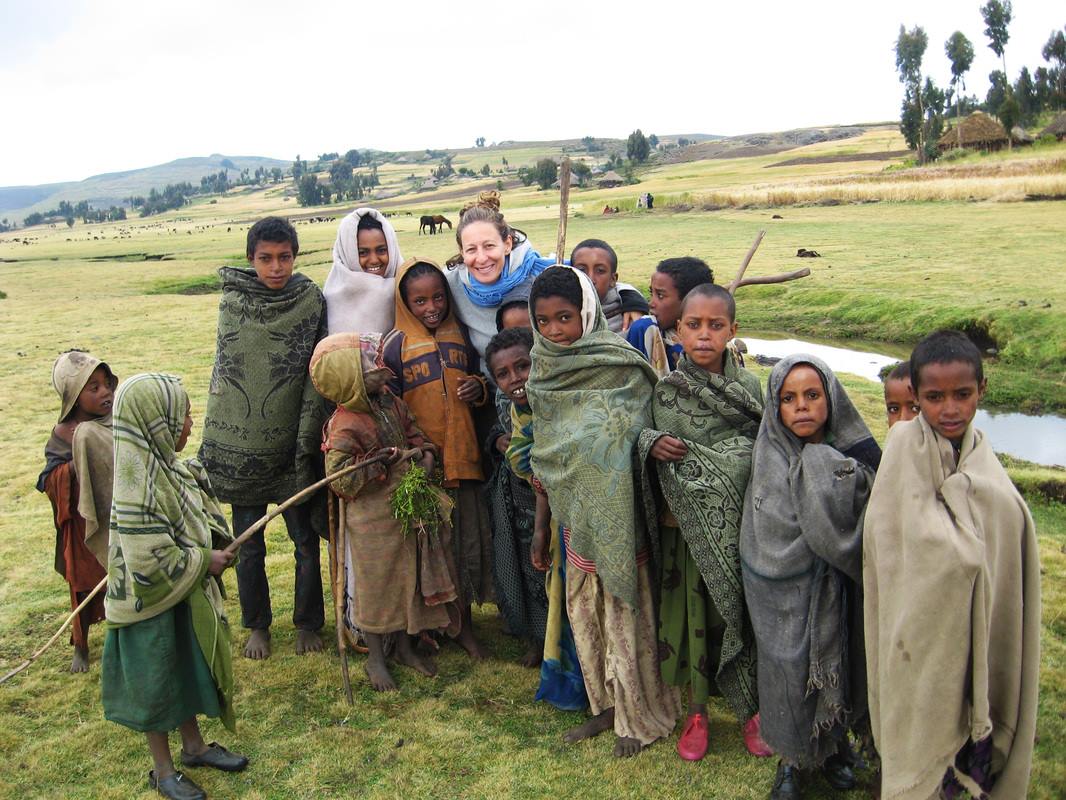
While trekking in Lalibela, you will have the opportunity to see the lifestyle of the village people, make food with them and have traditional coffee ceremony.

Lalibela trekking can be 3-­8 days, depending on your request. The price includes guide, food and beverage, a porter who carries the bags, accommodation, transport, guide and entrance fee of sight seeing. You can experience coffee ceremony, practicing local activities with the local people, for example farming, cooking, etc. We give especial discount for a groups.

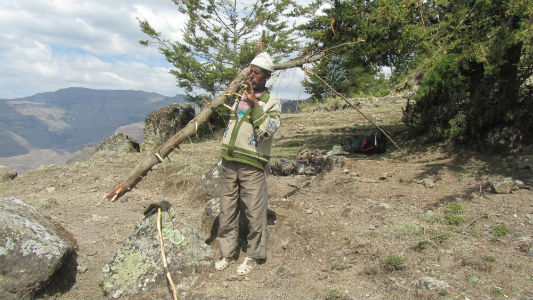
Our trekking route to the highland mountains of Lalibela are very unique. We use paths used only by local peoples. As we receive small groups of guests, you will have direct contact with local people and you have real experiences of local culture.


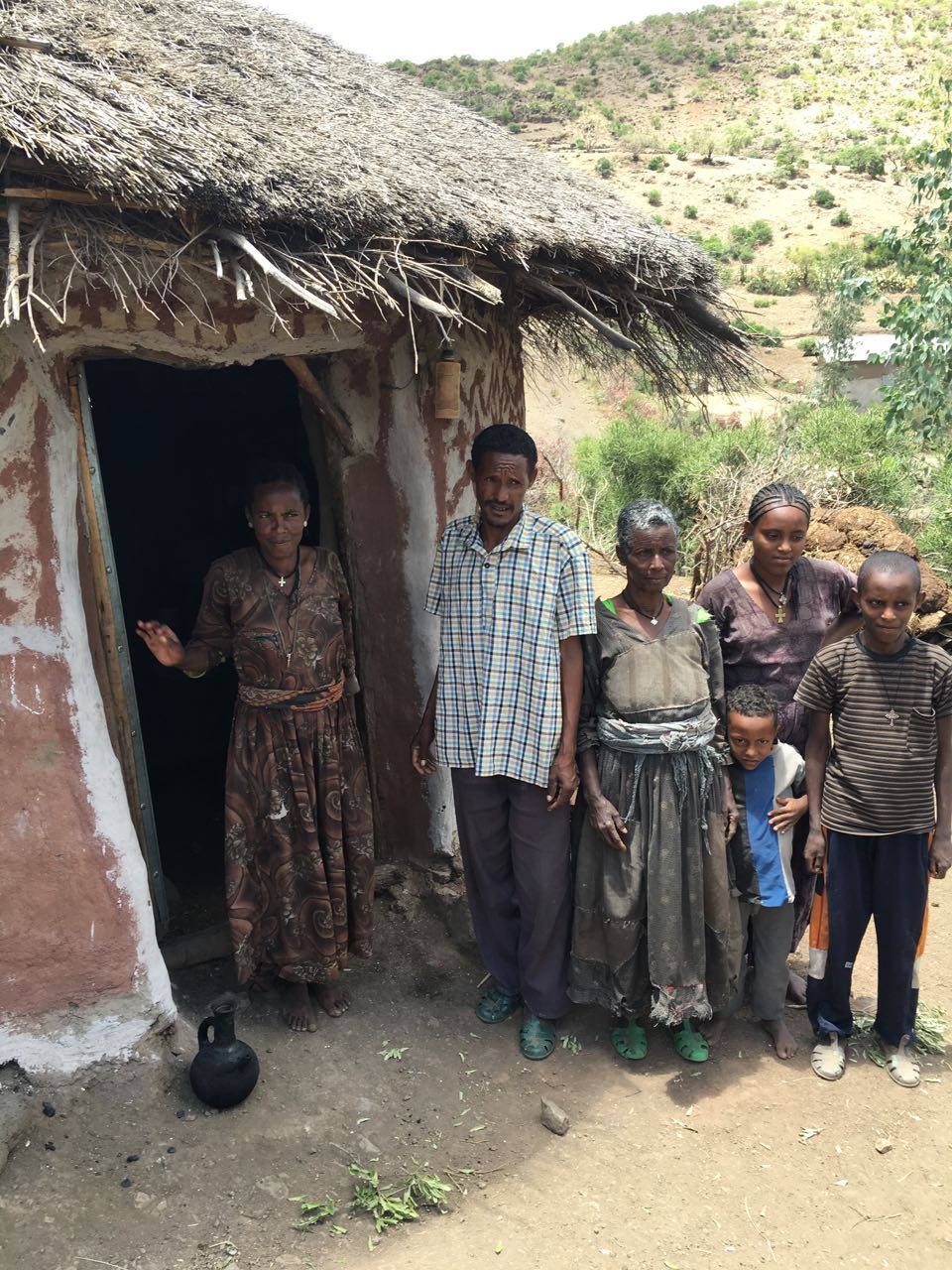
You will stay in basic but comfortable local cottages (tukuls) designed using local materials, set on the edge of the communities’ villages. Food will be prepared by your personal cook to suit western tastes, along with a traditional coffee ceremony. Donkeys will carry your luggage as you trek with our trained local guide from one village to the next, along escarpments and through church yards of ancient trees.

As soon you leave Lalibela you will be welcomed by the Lasta mountains. Throughout your trek, you will enjoy the panoramic chain of mountains all along the way.

Highest peak in Ethiopia. We have several trekking options to mount Abune Yosef and other trekking options in the area. Please visit our itinerary page to arrange your trip.

Hiking

For those visitors who are inexperienced in walking up and down on hills and who have little time to experience the high mountains of Majestic Highlands and Ethiopian culture, they can choose these short and easy hiking trips.

We have compiled a list of opportunities for short easy hiking trip and walking tours around Lalibela. There is not much difference between Hiking and Trekking in Ethiopia. Hiking is an initial part of trekking and relatively easier, it still involves walking up and down on rural hilly areas below 2600 meters but offers glimpse of High Mountains views, while trekking takes you through the lowland village to high Mountain pass up to almost 3300 meters.

Contact us for some hiking trips that we have not described in this page, but all are suited for all age people especially for the family groups and novices. With this trip you will have experience of the local culture and living style.

Hiking

For those visitors who are inexperienced in walking up and down on hills and who have little time to experience the high mountains of Majestic Highlands and Ethiopian culture, they can choose these short and easy hiking trips.

We have compiled a list of opportunities for short easy hiking trip and walking tours around Lalibela. There is not much difference between Hiking and Trekking in Ethiopia. Hiking is an initial part of trekking and relatively easier, it still involves walking up and down on rural hilly areas below 2600 meters but offers glimpse of High Mountains views, while trekking takes you through the lowland village to high Mountain pass up to almost 3300 meters.

Contact us for some hiking trips that we have not described in this page, but all are suited for all age people especially for the family groups and novices. With this trip you will have experience of the local culture and living style.

Hiking

For those visitors who are inexperienced in walking up and down on hills and who have little time to experience the high mountains of Majestic Highlands and Ethiopian culture, they can choose these short and easy hiking trips.

We have compiled a list of opportunities for short easy hiking trip and walking tours around Lalibela. There is not much difference between Hiking and Trekking in Ethiopia. Hiking is an initial part of trekking and relatively easier, it still involves walking up and down on rural hilly areas below 2600 meters but offers glimpse of High Mountains views, while trekking takes you through the lowland village to high Mountain pass up to almost 3300 meters.

Contact us for some hiking trips that we have not described in this page, but all are suited for all age people especially for the family groups and novices. With this trip you will have experience of the local culture and living style.

Day Trips

We have plenty of options for day trip around lalibela, walking, driving and village visits around lalibela.


Horse ride

Enjoy the panoramic view of Lasta mountain surrounding lalibela see the ancient world ancient monasteries and experience the real Ethiopia, see their culture, learn how they prepared their meals and how they farm with old way.

TECHJUMP TOURS

We offer a personalised service in order to meet your specific needs.
We have welcomed many different types of visitors to Ethiopia, including individuals, groups, business travellers, photographers, student groups, volunteers, and meeting & conference organisers.

ESTIFANOS ABERA LALIBELA TOURS

We offer a personalised service in order to meet your specific needs.

We have welcomed many different types of visitors to Ethiopia, including individuals, groups, business travellers, photographers, student groups, volunteers, and meeting & conference organisers.

Vehicle hire with driver
Package Tours
Domestic flight bookings
Hotel reservations
Trekking Tours
Transfer service
Professional guide service in English and other languages
Meetings & conference ground ­handling services
Community ­based & traveler's philanthropy tourism experiences

Contact Me

Contact Me

About

Estifanos Abera Lalibela Tours

My Name is Estifanos Abera and I am a professional tour Guide in Lalibela.

I was born and raised in Lalibela, studied in Addis Ababa for 3 years “Tour Guide” at Tourism college and I have 14 years Guiding experience in the Tourism Industry.

I will be happy to invite you to my town and guide you in Lalibela and its surroundings.
 

Testimonial
''We spent 2 full days with Esifanos Abera, a local guide from Lalibela. Estifanos is a very pleasant person, with good English and huge knowledge about the history of the attractions in Lalibela. He is also a track guide. During the 2 days we ask him, without any preparation, to organize for us a visit in an authentic house of a farmer and meeting with his family, a visit to a school, and meetings with people on several occasions. All was organized on the best way possible. I recommend him for every one that is looking for a guide in the area.''

Eli  
Israel